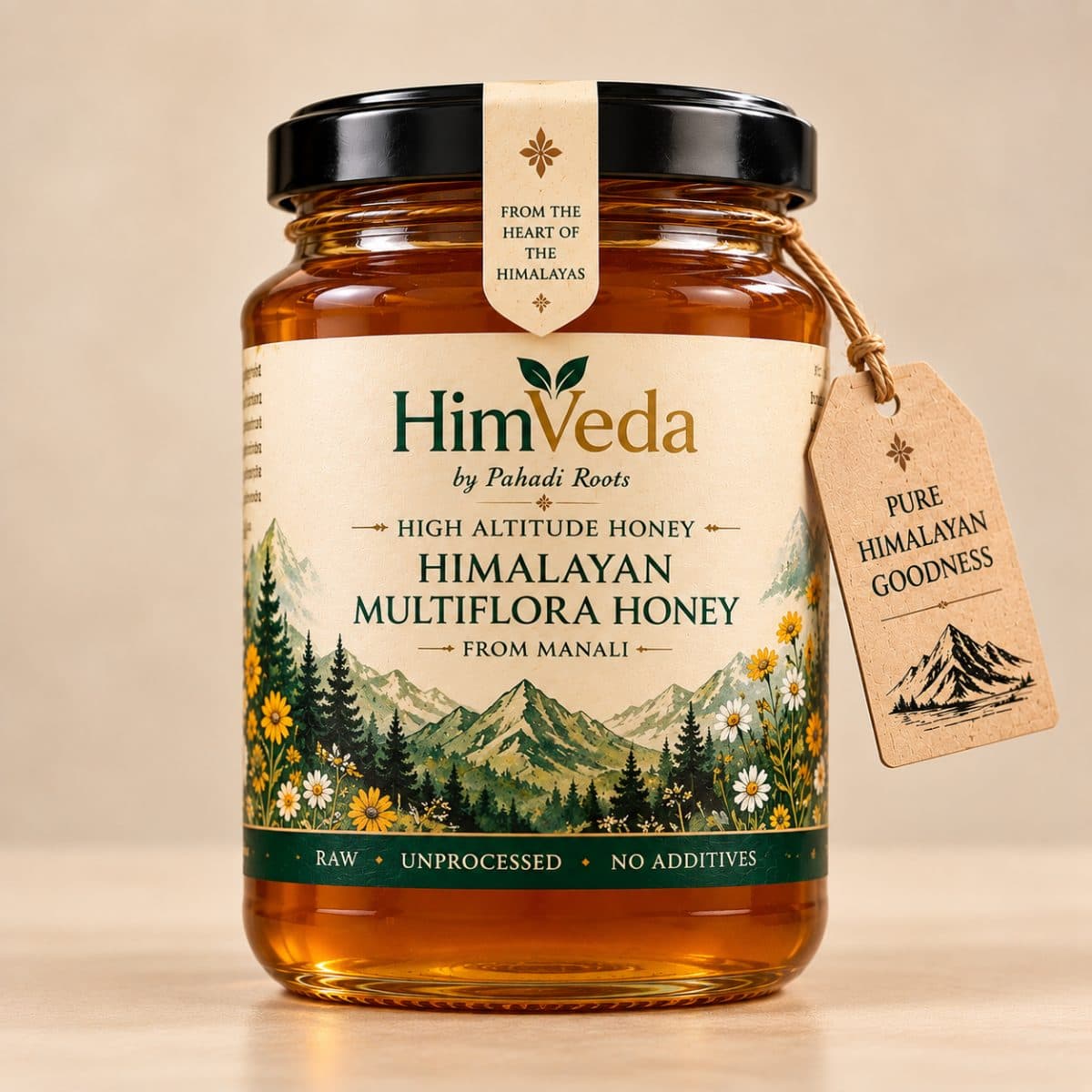
Wild Honey from High Altitude of Manali: Source, Taste & Tradition
Discover authentic wild honey from high altitude of Manali's Himalayan peaks. Learn how traditional beekeepers harvest this raw, unfiltered treasure and why altitude matters.
What Makes Wild Honey from High Altitude of Manali Different
High altitude honey from Manali isn't just honey—it's a direct reflection of where it comes from. At elevations between 2,000 and 4,000 meters, the Himalayan valleys surrounding Manali bloom with wildflowers, medicinal herbs, and alpine rhododendrons that simply don't exist at lower elevations. When bees forage exclusively from this rare floral palette, they create something entirely distinct from the commercial honey you'll find in most Indian supermarkets.
The wild honey from high altitude of Manali that our partner beekeepers harvest carries the fingerprint of the mountain itself—a complex floral depth, a slightly higher mineral content, and natural enzymes that remain intact because the honey is never heated or processed beyond basic straining. This is what transparency in sourcing actually looks like: you're tasting the landscape.
The Beekeeping Tradition of Manali's Mountains
How Himalayan Beekeepers Work
The beekeepers we work with in and around Manali practice methods passed down through generations. They place hives in natural settings—forest clearings, meadow edges, sometimes cliff faces—where bees can forage freely without chemical inputs or artificial feeding. There's no monoculture here, no single crop. Instead, bees work across the diverse alpine ecosystem, moving between flowering seasons as nature dictates.
These aren't industrial operations. A typical Himalayan beekeeper might maintain 20 to 50 hives, moving them seasonally to follow the bloom. Spring brings rhododendron flowers; summer opens up alpine meadows filled with wildflowers; autumn brings buckwheat and thistle. Each season produces honey with subtly different character—a tangible reminder that this is a living product, not a standardized commodity.
Why Altitude Matters for Honey Quality
Altitude changes everything about honey. At higher elevations, shorter growing seasons concentrate floral nectar—plants produce more sugars in less time as an evolutionary survival strategy. This means the nectar bees collect is naturally richer and more complex. Temperature fluctuations at altitude also slow down fermentation and spoilage, allowing honey to develop its full flavor profile before being stored.
Additionally, the thinner air and intense UV exposure at high altitude create unique floral compounds that simply don't develop in lowland plants. When you taste wild honey from high altitude of Manali, you're experiencing flavors that only the Himalayan ecosystem can produce—deeper, more mineral-forward, with subtle herbal undertones that linger on the palate.
Characteristics of Himalayan Wild Honey from Manali
Appearance and Texture
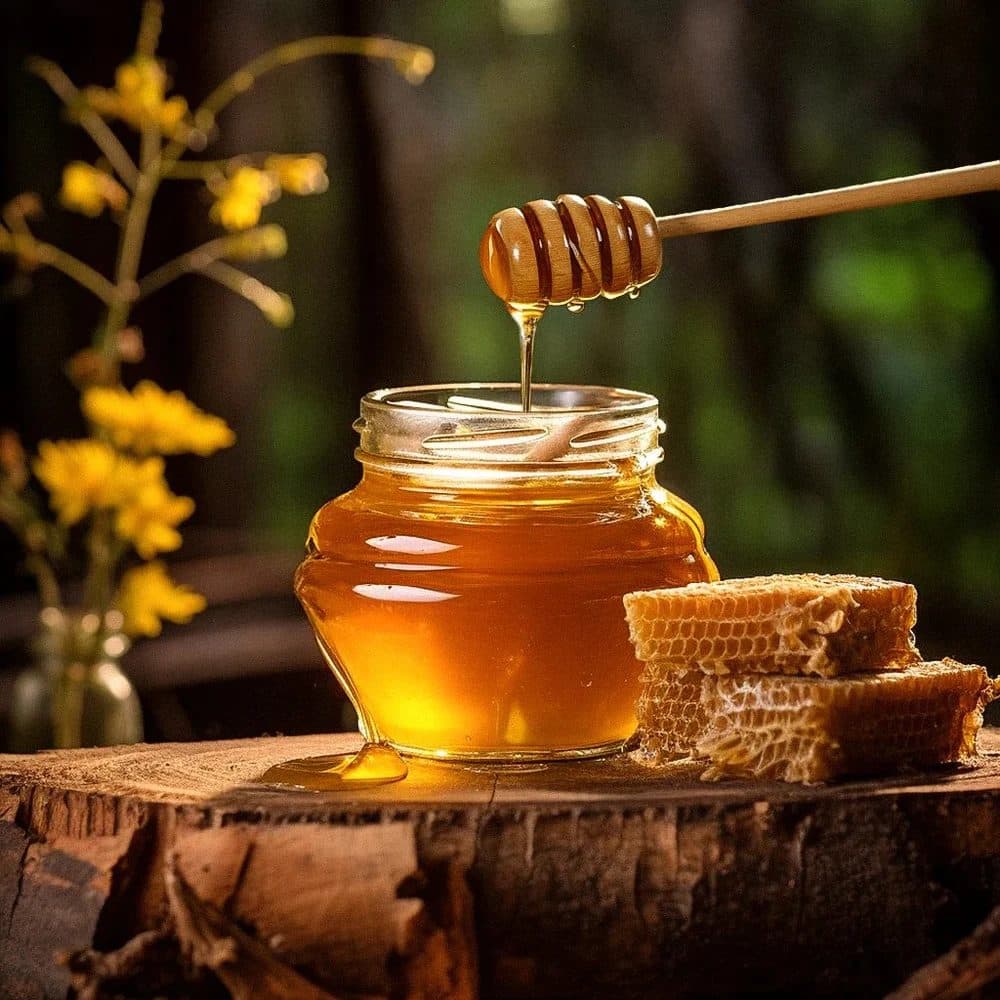
Authentic Himalayan wild honey from Manali often appears darker than mass-produced honey—ranging from deep amber to rich mahogany depending on the season and floral sources. It crystallizes over time (a sign of purity and low processing), developing a grainy, almost fudgy texture that many people prefer for spreading and cooking.
Don't be alarmed by crystallization—it's not spoilage. It simply means the honey hasn't been heated to prevent natural crystallization, which in turn preserves the beneficial enzymes and micronutrients that make raw honey worth seeking in the first place.
Flavor Profile
Unlike the one-dimensional sweetness of refined honey, wild honey from high altitude of Manali tastes layered. You'll notice:
- Initial floral sweetness, often with hints of wildflower and rhododendron
- Mid-palate herbal notes—sometimes eucalyptus or pine, sometimes earthy undertones
- A subtle mineral finish, characteristic of high-altitude sources
- Lingering warmth, not cloying or flat
This complexity comes from the diversity of the alpine flora and the absence of processing that strips away delicate flavor compounds.
Nutritional Content and Traditional Use
Raw honey, particularly from high-altitude sources, contains naturally occurring enzymes, amino acids, and trace minerals including potassium, magnesium, and manganese. The specific nutrient profile of Himalayan wild honey reflects the mineral-rich soils and diverse plant life of the region.
Traditionally, Himalayan communities have valued raw honey as part of seasonal wellness routines—often consumed with warm water or herbal infusions during winter months, or added to milk-based preparations. In Ayurvedic tradition, honey is recognized for its warming properties and considered beneficial for digestive comfort and overall vitality, though we never claim to treat or cure any condition.
The presence of pollen grains and propolis (a resinous compound bees collect from tree buds) in raw, unfiltered honey also means you're getting compounds that commercial processing deliberately removes. Whether these compounds offer specific health support remains a matter of ongoing research, but their presence in the honey is undeniable.
How Our Himalayan Wild Honey Is Sourced and Handled
We work directly with beekeeping families across Manali and surrounding Himalayan valleys—no middlemen, no aggregators, no standardization that erases origin. When a beehive is ready for harvest, our partners extract honey using traditional methods: gentle extraction, basic settling to remove larger particles, and that's it. No heating, no filtration fine enough to remove pollen and enzymes, no blending with honey from other regions.
Our Himalayan Wild Honey arrives at your door as close to its natural state as possible. You might notice sediment at the bottom—that's pollen and crystallized glucose, a marker of authenticity. You'll taste the difference immediately.
How to Use Wild Honey from Manali
Direct Consumption
A spoonful on its own, slowly dissolved in the mouth, is one of the purest ways to experience the honey. This is how many mountain communities consume it—as a food, not a sweetener.
In Warm Beverages
Stir into warm (not boiling) water, herbal tea, or milk. Heat above 40°C begins to break down heat-sensitive enzymes, so keep the liquid warm but not scalding if you're seeking to preserve maximum nutritional value.
In Cooking and Baking
Use it as you would any honey—in dressings, marinades, or drizzled over yogurt and fruit. The complex flavor of Himalayan wild honey complements both sweet and savory dishes.
With Seasonal Routines
Many people incorporate raw honey into their winter wellness habits, often combining it with ginger, turmeric, or other warming spices. The tradition has deep roots in Himalayan and Ayurvedic practice.
Storage and Shelf Life
Raw honey is naturally shelf-stable and requires no refrigeration. Store it in a cool, dry place away from direct sunlight. Over time, it will crystallize—this is normal and desirable. If you prefer the liquid state, gently warm the jar in warm water (not a microwave or direct heat) until it liquefies again. This gentle warming won't damage the honey the way industrial heating does.
Properly stored, raw honey remains good indefinitely. Archaeological evidence shows honey harvested thousands of years ago remains perfectly edible—honey simply doesn't spoil.
Why Direct Sourcing Matters
When you buy wild honey from high altitude of Manali through HimVeda by Pahadi Roots, your money goes directly to the beekeeping families who created it. There's no middleman markup, no aggregator blending honey from multiple sources to hit a price point or standardized color. You know exactly who harvested your honey and where it came from.
This direct relationship also means beekeepers are incentivized to maintain their traditional practices—because they're compensated fairly for the care and skill that goes into high-quality, unprocessed honey. It's a model that preserves both the product and the livelihood.
The Science Behind Raw Honey's Stability
Raw honey remains stable because of its low water content (typically 17-20%) and acidic pH, both of which create an environment where bacteria and fungi cannot grow. Unlike other raw foods that require careful handling, raw honey is actually one of the safest foods you can eat—its antimicrobial properties are well-documented.
The enzymes present in raw honey, particularly amylase and invertase, are only dormant in the honey itself; they become active in your digestive system. This is why raw honey is considered functionally different from heated, processed honey—not because of miraculous health claims, but because the biological structure remains intact.
Frequently Asked Questions
Frequently Asked Questions
Is wild honey from high altitude of Manali safe for infants?
No. Honey of any kind, raw or processed, should not be given to infants under 12 months due to the theoretical risk of botulism spores. After 12 months, raw honey is generally safe. Consult your pediatrician if you have specific concerns.
Why does my Himalayan wild honey crystallize?
Crystallization is a natural process in raw, unfiltered honey and indicates minimal processing. It's completely normal and doesn't mean the honey has spoiled. You can gently warm the jar in warm water to return it to liquid form if preferred.
How do I know this wild honey is actually from Manali?
We source directly from named beekeeping partners in Manali and surrounding Himalayan valleys, with full traceability. Our commitment to radical transparency means you can know exactly who harvested your honey. We never blend or mix sources—each batch reflects its origin.
Can wild honey help with allergies or cough?
Traditionally, raw honey has been used in Himalayan and Ayurvedic practice as part of seasonal wellness routines, particularly for throat comfort. However, we don't make medical claims. If you're interested in honey for specific health concerns, consult a healthcare provider. Some research suggests local honey may offer benefits, but results vary individually.